Sustainable Cleaning Products for a Greener Home
In recent years, the conversation around household cleaning has shifted towards sustainability and health. Many conventional cleaning products contain a range of synthetic chemicals that can linger on surfaces and in the air, potentially affecting indoor air quality. Simultaneously, the production and disposal of these products contribute to plastic waste and environmental pollution. As awareness grows, more households are seeking ways to maintain cleanliness while reducing their ecological footprint. This article explores the principles behind sustainable cleaning and how natural alternatives can be integrated into everyday routines.
Sustainable cleaning is not a single solution but a holistic approach that considers the entire lifecycle of products. It involves choosing ingredients that are biodegradable, non-toxic to humans and ecosystems, and sourced responsibly. Packaging also plays a role, as reusable, refillable, or recyclable containers help minimize waste. For those in the United Kingdom, where concerns about plastic pollution and climate change are prominent, adopting such practices aligns with broader environmental goals. However, it is important to approach this transition with realistic expectations and informed choices.
Understanding the Basics of Sustainable Cleaning
Sustainable cleaning centres on using substances that have minimal negative impact on health and environment. Common natural cleaning ingredients include vinegar, baking soda, citric acid, and hydrogen peroxide. These compounds are effective for many tasks, yet they are biodegradable and generally safe when used properly. For example, vinegar (acetic acid) can cut through grease and dissolve mineral deposits, while baking soda (sodium bicarbonate) acts as a gentle abrasive and odour neutralizer. Citric acid, derived from citrus fruits, is excellent for descaling and removing limescale. Hydrogen peroxide serves as a disinfectant that breaks down into water and oxygen.
Another key aspect is understanding how these ingredients work individually and in combination. For instance, vinegar and baking soda together produce carbon dioxide gas, which can help lift dirt from surfaces, but the reaction also neutralises both substances, reducing their cleaning power if left to fizz. Therefore, it is often more effective to use them separately in different steps. Additionally, some natural ingredients have limitations: vinegar is acidic and should not be used on natural stone or certain metals; baking soda may be too abrasive for delicate surfaces; and hydrogen peroxide can bleach fabrics if not diluted. Being aware of these properties helps in selecting the right approach for each task without damaging materials.
Eco-Friendly Alternatives for Common Household Tasks
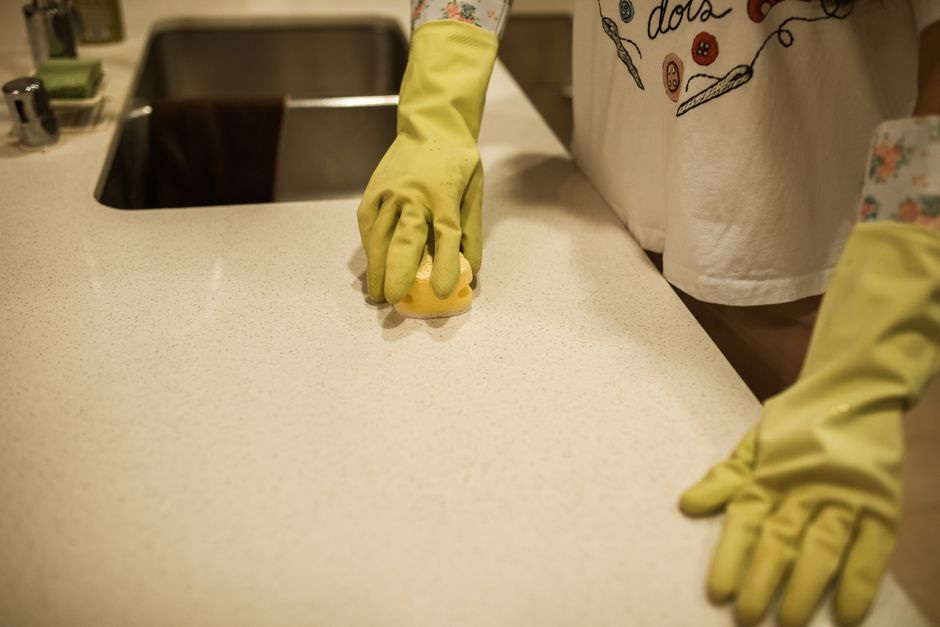
When it comes to kitchen cleaning, a simple all-purpose cleaner can be made by diluting vinegar in water, adding a few drops of essential oil for fragrance if desired. This mixture is suitable for countertops (except marble and granite), stovetops, and many other surfaces. For stubborn grease, a paste of baking soda and water applied with a sponge can be effective. Ovens, for example, can be cleaned by sprinkling baking soda over the interior, spraying with water to create a paste, leaving it overnight, then wiping away grime the next day. For cutting boards, a solution of hydrogen peroxide (diluted) can sanitise without leaving chemical residues.
In the bathroom, limescale and soap scum are common challenges. Citric acid dissolved in warm water makes an excellent limescale remover for taps, showerheads, and glass screens. Leave the solution on for a few minutes, then scrub and rinse. For toilet bowls, a combination of baking soda and vinegar (used sequentially) can help remove stains and deodorise. To clean mirrors and windows, a mixture of one part vinegar to three parts water in a spray bottle works well; using a microfiber cloth prevents streaks. Microfiber cloths themselves are a useful tool, as they trap dust and dirt without needing chemical sprays. They can be washed and reused many times, reducing waste.
The Role of Reusable and Refillable Packaging
Beyond the ingredients, sustainable cleaning also involves how products are packaged and distributed. Many natural cleaning products are now available in concentrated forms, which require smaller packaging and reduce transport emissions. Some companies offer refill stations where consumers can reuse their existing bottles, a model that is gaining popularity in UK zero-waste shops. Alternatively, creating DIY cleaners at home not only avoids packaging entirely but also allows for customisation to personal preferences. However, for those who prefer ready-made products, selecting brands that use recycled or recyclable materials and offer refill options is a positive step.
It is worth noting that not all packaging labelled as recyclable is recycled in practice. In the UK, local recycling facilities may have different capabilities, so checking with the local council is advisable. Moreover, some “compostable” plastics require industrial composting, which may not be accessible to all. Therefore, the most effective way to minimise waste is to reduce reliance on single-use containers altogether, either by making cleaners at home from bulk ingredients or by patronising businesses that support circular systems.
Evaluating the Impact of Sustainable Cleaning
Assessing the impact of switching to sustainable cleaning practices involves considering both immediate and long-term effects. On an individual level, using natural ingredients can reduce the number of synthetic chemicals brought into the home, potentially lowering exposure to irritants and carcinogens. However, the scientific evidence on whether such exposure has significant health effects is still evolving, and individual responses vary. Environmentally, the benefits are clearer: biodegradable ingredients break down more quickly and are less likely to accumulate in water systems, while reduced use of plastic packaging cuts down plastic pollution.
That said, the transition is not without challenges. Natural ingredients may be less potent for certain disinfecting tasks compared to chemical bleaches, but for routine cleaning, they often suffice. For high-risk situations, such as sanitising surfaces when someone is ill, the NHS advises using products that meet specific disinfection standards. Thus, it is important to adopt a pragmatic approach, using natural cleaners for everyday maintenance and reserving stronger disinfectants for exceptional circumstances. By doing so, households can meaningfully reduce their environmental footprint while ensuring hygiene when it truly matters.
Sustainable cleaning is not an all-or-nothing approach but a spectrum of choices that can be adapted to individual needs and circumstances.
Ultimately, the journey toward a greener home is about informed decision-making. By understanding the properties of natural cleaners, implementing them for suitable tasks, and considering packaging and lifecycle impacts, households can contribute to sustainability without sacrificing cleanliness. It is a process that unfolds over time, with each small change adding up to a larger positive effect.