How to Build a Smart Home on a Budget
Creating a smart home does not necessarily require a substantial investment. With careful planning and a focus on essential devices, it is possible to introduce automation and remote control features gradually. This article outlines a practical approach to building a smart home on a budget, emphasising devices that offer convenience and potential energy savings without compromising on quality or safety.
The concept of a smart home involves connecting various devices to a central network, allowing for remote monitoring and control. While the market offers a wide array of high-end products, many affordable alternatives provide similar functionality. By prioritising core devices such as smart plugs, thermostats, and lighting, homeowners can create a foundation for a connected living space. This guide provides a structured method for selecting and integrating these technologies, with a focus on transparency and informed decision-making.
Understanding the Core Components
Before purchasing any device, it is helpful to understand the roles of the essential smart home components. Smart plugs are among the most versatile and cost-effective starting points. They transform ordinary appliances into remotely controllable devices, allowing users to switch them on or off via a smartphone app or voice assistant. This capability is particularly useful for lamps, fans, or entertainment systems that are frequently left on.
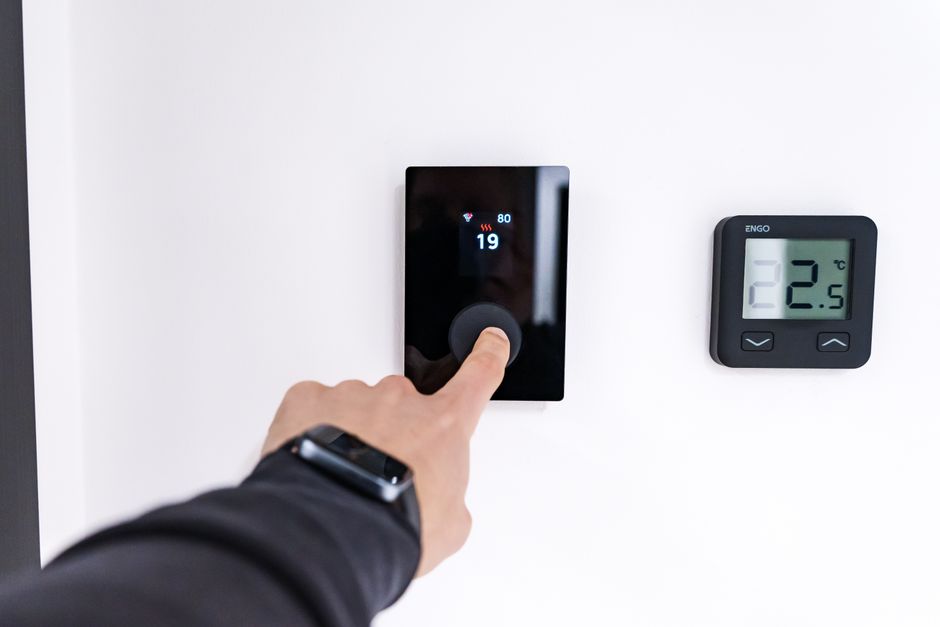
Smart thermostats represent another key element, offering programmable schedules and remote temperature adjustments. Many models learn user preferences over time and can integrate with occupancy sensors to optimise heating and cooling. While the upfront cost may be higher than traditional thermostats, potential long-term energy savings may offset the initial expense. However, it is important to note that actual savings depend on factors such as home insulation, climate, and usage patterns.
Smart lighting provides both convenience and aesthetic control. LED bulbs with smart features can be dimmed, colour-changed, and scheduled through mobile applications. These bulbs typically consume less energy than traditional incandescent options, and their longevity reduces replacement frequency. When combined with motion sensors or timers, they contribute to an efficient and responsive home environment.
Planning a Budget-Friendly Approach
Establishing a budget is the first step in any smart home project. It is advisable to allocate funds based on priorities, focusing on devices that align with daily routines and potential energy savings. Starting with a single hub or compatible ecosystem can simplify integration and avoid compatibility issues. Many affordable devices support popular standards such as Wi-Fi, Zigbee, or Z-Wave, allowing for interoperability among brands.
An incremental approach is often more manageable than a large-scale installation. Begin with one or two devices and gradually expand as familiarity and comfort with the technology grow. This method also allows for evaluation of the actual benefits and costs before committing to further purchases. Keeping a record of expenses and energy usage can provide a clear picture of the return on investment.
Selecting and Integrating Devices
When selecting devices, compatibility is a critical consideration. Ensure that the chosen products work with your existing network infrastructure and any voice assistants or hubs you plan to use. Reading user reviews and checking for firmware updates can provide insights into reliability and performance. It is also wise to verify that devices comply with local regulations regarding data privacy and security.
Integration typically involves downloading the manufacturer’s app, connecting the device to your Wi-Fi network, and configuring preferences. Some devices may require a separate hub, which adds to the overall cost. However, many modern devices operate independently using built-in Wi-Fi, simplifying the setup process. For beginners, focusing on Wi-Fi-enabled devices can reduce complexity and initial investment.
Security should not be overlooked. Using strong, unique passwords for your network and devices, enabling two-factor authentication when available, and regularly updating firmware are recommended practices. These steps help protect your personal data and maintain the integrity of your smart home system.
Maximising Convenience and Efficiency
Once the core devices are installed, the next step is to create automations that enhance convenience and efficiency. For example, smart plugs can be scheduled to turn off appliances when not in use, reducing standby power consumption. Smart thermostats can adjust temperatures based on your schedule, ensuring comfort when you are home and conserving energy when you are away.
Smart lighting can be programmed to simulate occupancy, which may improve home security. Additionally, integrating these devices with voice assistants allows for hands-free control, which is particularly beneficial for individuals with mobility challenges. The potential benefits are numerous, but they depend on how effectively the automations align with your lifestyle and habits.
Maintaining and Expanding Your System
Maintenance is an ongoing aspect of owning a smart home. Regularly checking for device updates, cleaning sensors, and monitoring performance helps ensure smooth operation. Over time, you may decide to expand your system with additional sensors, cameras, or smart locks. Each addition should be evaluated against your budget and needs to avoid unnecessary expenditure.
It is also important to consider the lifespan of devices and the potential need for replacements. As technology evolves, older devices may become obsolete or lose support from manufacturers. Staying informed about industry trends and product lifecycle can help in planning future upgrades.
Conclusion
Building a smart home on a budget is a realistic goal with careful planning and informed choices. By focusing on foundational devices like smart plugs, thermostats, and lighting, and adopting an incremental approach, you can gradually develop a connected environment that suits your needs. The process requires ongoing attention to compatibility, security, and maintenance, but the potential for increased convenience and efficiency makes it a worthwhile endeavour. Ultimately, the success of your smart home journey depends on thoughtful selection and realistic expectations regarding outcomes.