Deep Cleaning Your Kitchen: Tips and Tricks
A clean kitchen is often considered the heart of a well-maintained home. Over time, even with regular wiping and tidying, kitchens accumulate stubborn grease, grime, and residue in hard-to-reach places. Deep cleaning goes beyond surface-level care, targeting the built-up dirt that can affect both the appearance and hygiene of the space. This article outlines a systematic approach to deep cleaning kitchen surfaces, appliances, and cabinets, providing practical methods that can be adapted to different kitchen setups and materials.
The process described here focuses on the steps involved in thorough cleaning, from preparation to finishing touches. It emphasizes the importance of using suitable products and techniques for various surfaces, as well as the need for patience and attention to detail. Whether the kitchen sees daily cooking or occasional use, these methods aim to restore a sense of freshness and order. The guidance is intended to be informational, helping readers understand the principles behind effective deep cleaning so they can apply them according to their own circumstances.
Preparing for a Deep Clean
Before beginning the deep cleaning process, it is helpful to set aside sufficient time and gather the necessary supplies. A well-planned approach can make the task more manageable and ensure that no area is overlooked. Start by clearing countertops, removing small appliances, and organising any items that might obstruct access to surfaces. This initial step not only provides a clear workspace but also allows for the identification of areas that may require special attention.
Choosing the right cleaning agents is another important aspect of preparation. For general degreasing, a mixture of warm water and a mild dish soap is often effective. For more stubborn grease, a solution of baking soda and water can be used to create a paste. It is advisable to test any cleaning product on an inconspicuous area first, especially when dealing with delicate materials like natural stone or sealed wood. Having a variety of cloths, sponges, and brushes on hand can also help in tackling different types of grime without causing damage.
Ventilation is a practical consideration during any deep cleaning session. Opening windows or using an extractor fan can help to disperse fumes from cleaning products and improve air circulation. This is particularly relevant when using stronger degreasers or chemical cleaners. Taking these preparatory steps can contribute to a smoother and more efficient cleaning experience.
Cleaning Kitchen Surfaces and Countertops
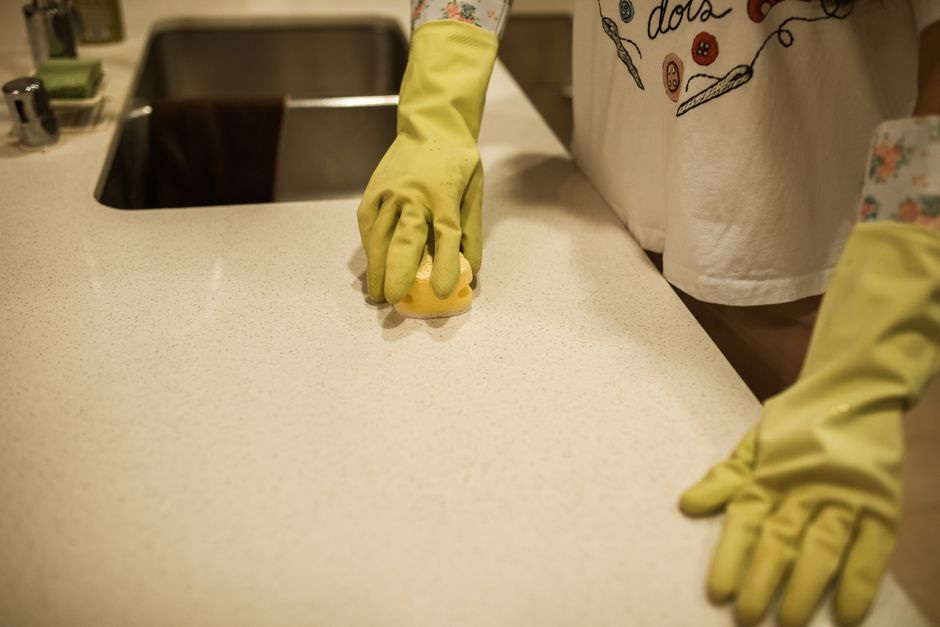
Kitchen surfaces are subjected to constant use and are prone to accumulating grease, food residue, and stains. The method for cleaning these surfaces depends largely on the material. For laminate and solid surface countertops, a solution of warm water and a few drops of dish soap is generally safe. Using a non-abrasive sponge or cloth, wipe down the surfaces in a consistent pattern to avoid streaking. For tougher stains, a paste of baking soda and water can be applied and left for a few minutes before scrubbing gently and rinsing thoroughly.
Natural stone surfaces, such as granite or marble, require a more cautious approach. Acidic or abrasive cleaners can damage the sealant and the stone itself. A pH-neutral cleaner is recommended for these materials. After cleaning, wiping the surface dry with a soft cloth can help maintain its appearance. It is also important to address any spills promptly, as they can leave lasting marks if left to sit.
For kitchen backsplashes, which often collect splatters and grease, a similar approach can be used. Depending on the material, a degreasing agent may be necessary. A mixture of warm water and vinegar is a common natural option for tile and glass, but it should not be used on natural stone. Spraying the solution onto the surface, allowing it to dwell briefly, and then wiping it away can help to lift stubborn residue. Paying attention to corners and edges is worthwhile, as these areas are often missed during regular cleaning.
Deep Cleaning Kitchen Appliances
Appliances such as ovens, microwaves, refrigerators, and dishwashers require specific cleaning methods to ensure they are effectively degreased and sanitised. For the oven, a common approach is to use a commercial oven cleaner or a homemade paste of baking soda and water. Applying the paste to the interior surfaces and leaving it overnight can loosen burnt-on food and grease. The following day, wiping the surfaces with a damp cloth and a small amount of vinegar can help to neutralise the baking soda and remove residue. It is important to avoid getting cleaning agents on heating elements.
Microwaves can be cleaned using a simple steaming technique. Placing a bowl of water with a few slices of lemon inside and heating it until it boils can create steam that loosens food splatters. After allowing the steam to sit for a few minutes, the interior can be wiped down with a soft cloth. This method is effective and leaves a fresh scent. The turntable and any removable parts should be washed in warm soapy water.
Refrigerators benefit from a periodic thorough cleaning. Emptying the fridge and removing shelves and drawers allows for a more comprehensive wipe-down of all interior surfaces. A solution of water and baking soda is effective and safe for food areas. Paying attention to door seals and crevices is important, as these can harbour grime. For the exterior, stainless steel appliances may require a dedicated cleaner to avoid streaks and maintain their finish. Using a microfibre cloth in the direction of the grain can help achieve a polished look.
Dishwashers also accumulate grease and food particles over time. Running an empty cycle with a cup of white vinegar placed on the top rack can help to break down residue and remove odours. The filter and spray arms should be checked and cleaned periodically to ensure optimal performance. These maintenance steps can contribute to the longevity and efficiency of the appliance.
Restoring Kitchen Cabinets and Drawers
Kitchen cabinets and drawers are often neglected during regular cleaning, yet they can accumulate a significant amount of grease, especially if they are located near the hob or oven. The cleaning method depends on the finish. For painted or laminated cabinets, a solution of warm water and a mild detergent is usually sufficient. Using a well-wrung cloth, wipe the surfaces in the direction of the grain to avoid damaging the finish. Avoid soaking the wood or leaving standing water on the surfaces.
For wooden cabinets, a mixture of olive oil and vinegar can be used to clean and condition the wood, but it should be applied sparingly and buffed well. This can help to remove grime while adding a subtle shine. It is essential to test any product on an inconspicuous area first. For stubborn grease spots, a paste of baking soda and water can be gently rubbed and then wiped away.
Drawers and their contents should be emptied to allow for a thorough clean. This provides an opportunity to declutter and organise. Vacuuming out loose debris and wiping down the interior with a damp cloth can help to remove residues. Lining the shelves and drawers with clean paper or liners can keep them fresh and makes future cleaning easier. Taking care to dry each component completely before reassembling can prevent musty smells and damage.
Finishing Touches and Maintenance
After completing the deep cleaning of surfaces, appliances, and cabinets, there are a few finishing touches that can enhance the overall result. Replacing any cleaning supplies that are worn out and disposing of food waste properly contributes to a hygienic environment. Installing or refreshing cabinet liners and drawer organisers can also help maintain order. A final wipe down of the sink and taps with a suitable cleaner can ensure that all areas are addressed.
Regular maintenance can extend the time between deep cleans. Implementing a routine of wiping down surfaces after each use and addressing spills immediately can prevent the build-up of grease and grime. Periodic checks of under-sink areas and behind appliances can help identify potential issues early. While deep cleaning is a significant task, breaking it down into sections and focusing on one area at a time can make the process less daunting and more effective.
It is important to note that the effectiveness of any cleaning method can vary based on the condition of the surfaces and the products used. Factors such as the type of residue, the material of the surface, and the frequency of cleaning all play a role in the outcome. The techniques outlined here provide a structured approach, but they are not a substitute for professional advice when dealing with delicate or specialised materials. By understanding the methods and adapting them to individual circumstances, a deep clean kitchen can become a realistic and achievable goal.